
下载 App



AI 音乐生成实战指南 —— 从歌词到成品的完整工作流
04/2657 浏览开发交流
基于 Suno AI 音乐生成的实战经验总结,涵盖歌词创作、风格调控、乐器编排、人声选择等核心技巧。


一、核心概念:两种生成模式模式适用场景参数Simple 模式快速出 demo,一句话描述只需 prompt(最多 500 字)Custom 模式精细控制,正式制作style + prompt(歌词)+ title + negativeTags结论:想要可控的结果,必须用 Custom 模式。Simple 模式适合找灵感。
二、歌词创作
2.1 标准曲式结构[Verse 1] 主歌1 —— 铺垫故事/场景
[Chorus] 副歌 —— 情绪爆发/主题升华
[Verse 2] 主歌2 —— 故事推进/视角切换
[Chorus] 副歌 —— 重复强化(可微调歌词)
[Bridge] 桥段 —— 情绪转折/高潮前奏
[Outro] 尾声 —— 收束/余韵
AI 能识别这些标签并对应不同的旋律走向,务必使用英文方括号标签。
2.2 押韵策略三种常见方案:方案说明适用全篇一韵所有段落押同一个韵(如 ang 韵)古风、叙事歌,统一感强分段换韵主歌一个韵,副歌另一个韵流行歌,层次分明混合韵A 段 a 韵,B 段 ao 韵,末句回扣 a 韵灵活,兼顾统一和变化实战建议:先确定副歌的核心句,再反推韵脚。韵脚决定了歌词的"音乐感",比内容更优先。
2.3 歌词长度参考时长目标歌词行数(约)说明2-3 分钟20-28 行精简结构,适合 BGM3-4 分钟30-40 行标准流行歌长度4+ 分钟40+ 行完整叙事,需要足够内容支撑
三、Style 参数 —— 最核心的调控手段Style 是决定成品质量的关键参数,建议按以下维度组织:3.1 Style 公式乐器编排 + 音乐风格 + 情绪氛围 + 速度节奏 + 人声特征 + 和弦走向
3.2 实战示例古风宫廷(有人声):guzheng lead, bamboo flute, pipa, light strings, soft piano,
Chinese ancient style, warm, healing, palace court,
medium tempo, storytelling pace,
young female vocal, sweet, innocent, bright,
IV-V-iii-vi-ii-V-I chord progression
八音盒纯音乐:music box lead, soft piano accompaniment, gentle acoustic guitar,
dreamy, nostalgic, fairy tale, lullaby,
slow tempo, delicate, intimate,
instrumental
暗黑童话(有人声):music box, dark ambient, ethereal pads, minimal piano,
dark fairy tale, mysterious, haunting, bittersweet,
slow tempo, atmospheric,
ethereal female vocal, airy, dreamy, whisper-like
3.3 乐器关键词速查类别关键词中国传统guzheng(古筝), bamboo flute(竹笛), pipa(琵琶), erhu(二胡), xiao(箫)西洋弦乐strings, violin, cello, light strings, orchestral strings键盘类piano, soft piano, music box, harpsichord, organ吉他类acoustic guitar, classical guitar, fingerpick guitar氛围类ambient pads, ethereal pads, synth pad, atmospheric texture节奏类light percussion, shaker, tambourine, hand drum
3.4 情绪/氛围关键词情绪方向关键词温暖治愈warm, healing, gentle, cozy, tender, soothing梦幻空灵dreamy, ethereal, celestial, mystical, fairy-like忧伤感人melancholic, sorrowful, bittersweet, nostalgic, longing暗黑神秘dark, mysterious, haunting, eerie, ominous欢快活泼upbeat, cheerful, playful, bright, lively史诗壮阔epic, cinematic, grand, majestic, powerful
四、negativeTags —— 排除不想要的元素和 AI 绘画的"反向提示词"同理,告诉 AI 不要什么,往往比告诉它要什么更有效。
4.1 常用排除组合排除电子音/现代元素(做古风、原声向):electronic, synth, EDM, rock, heavy drums, bass drop,
aggressive, rap, drums, percussion, western drums,
drum machine, beat
排除人声(做纯音乐 BGM):vocals, singing, voice, choir, rap, spoken word
排除快节奏(做慢歌/氛围音乐):fast tempo, acceleration, uptempo, energetic, intense
4.2 实战经验
- negativeTags 对乐器排除非常有效(不要鼓、不要电子音)
- 对速度控制效果有限(AI 可能仍会在后半段加速)
- 建议同时在 style 和 negativeTags 双管齐下
五、人声调控5.1 三种女声方向类型Style 关键词效果清甜少女音young female vocal, sweet, innocent, bright元气、清亮、天真感温柔御姐音mature female vocal, gentle, warm, rich温润、有厚度、知性空灵仙女音ethereal female vocal, airy, dreamy, celestial飘逸、缥缈、仙气
5.2 其他人声方向类型Style 关键词少年热血young male vocal, energetic, passionate, bright低沉磁性deep male vocal, warm, magnetic, baritone童声/精灵high-pitched vocal, fairy-like, playful, light
5.3 纯音乐设置 instrumental: true,或在 style 中加 instrumental。两者都用效果最好。
六、和弦走向 —— 给 AI 的"情绪路线图"6.1 万能和弦:4536251IV-V-iii-vi-ii-V-I chord progression
这是华语流行最常用的和弦走向,特点:
- IV→V 开局就有"推动感"
- iii→vi 转入小调色彩(忧伤/深情)
- ii→V→I 经典终止式(完满收束)
把歌词段落的情绪走向设计成与和弦匹配:
- 主歌:平稳叙述(对应 IV-V)
- 副歌开头:情绪升起(对应 iii-vi)
- 副歌结尾:回归收束(对应 ii-V-I)
直接在 style 末尾写 IV-V-iii-vi-ii-V-I chord progression。两种策略同时使用,效果最稳定。
6.3 其他常用和弦和弦写法情绪1564I-V-vi-IV阳光、积极(大量欧美流行)6415vi-IV-I-V略带忧伤的流行感4536251IV-V-iii-vi-ii-V-I华语流行经典,层次丰富15634145I-V-vi-iii-IV-I-IV-V卡农进行,优雅古典
七、批量生成与版本管理7.1 多版本对比法一首歌建议至少生成 3 个版本(不同声线),横向对比选最佳:同一歌词 × 3 种声线 = 3 首
如果歌词也有多个版本:4 版歌词 × 3 种声线 = 12 首
7.2 歌词迭代策略步骤操作1写出 V1 初版歌词2写出 V2 改进版(精简/换意象)3对比两版优劣,取各自最好的段落4组合成 V3、V4(如 V2 主体 + V1 尾声)5四版全部生成,耳朵选最终版核心原则:不要在脑子里选,要听了再选。AI 生成的旋律可能让"文字上不如"的版本在听感上更好。
7.3 文件命名建议生成后立即记录对应关系,否则文件名全是时间戳根本分不清:music_1776155983804.ogg → V1-A 少女音
music_1776156102447.ogg → V1-B 御姐音
...
八、已知局限与应对8.1 速度控制不精确AI 对 BPM 的遵守并不严格,尤其容易在后半段"自行加速"。应对:
- style 中写 slow tempo, steady rhythm, no acceleration
- negativeTags 中写 fast tempo, acceleration, uptempo
- 但即便如此,仍可能出现加速。这是当前 AI 音乐生成的共性问题
- 歌词不要太长(超过 40 行容易丢失后段)
- 关键句放在副歌开头(最容易被完整演唱)
- 尾声简短有力(长尾声容易被截断)
九、完整工作流程总结1. 确定歌曲定位(风格、情绪、用途)
↓
2. 创作歌词(押韵 + 曲式结构 + 情绪弧线)
↓
3. 配置 Style(乐器 + 风格 + 氛围 + 速度 + 人声 + 和弦)
↓
4. 配置 negativeTags(排除不要的元素)
↓
5. 批量生成(多版本歌词 × 多种声线)
↓
6. 试听对比,选出最佳版本
↓
7. 如需微调 → 修改 Style/negativeTags 重新生成
↓
8. 确定最终版本,删除其余
十、速查模板模板 A:中国古风(有人声)style: "guzheng lead, bamboo flute, pipa, light strings, soft piano,
Chinese ancient style, warm, healing, medium tempo,
[人声类型], IV-V-iii-vi-ii-V-I chord progression"
negativeTags: "electronic, synth, EDM, rock, heavy drums, bass drop,
aggressive, rap, drums, percussion, western drums,
drum machine, beat"
instrumental: false
模板 B:八音盒/童话(纯音乐)style: "music box lead, soft piano, gentle acoustic guitar,
dreamy, nostalgic, fairy tale, lullaby,
slow tempo, delicate, intimate, instrumental"
negativeTags: "electronic, synth, EDM, drums, percussion,
heavy, aggressive, fast tempo, vocals"
instrumental: true
模板 C:流行抒情(有人声)style: "piano lead, acoustic guitar, light strings, soft pad,
pop ballad, emotional, heartfelt, medium slow tempo,
[人声类型], I-V-vi-IV chord progression"
negativeTags: "heavy drums, aggressive, rap, EDM, rock,
screaming, distortion"
instrumental: false
模板 D:游戏 BGM 史诗风(纯音乐)style: "orchestral, epic strings, brass, timpani, choir pad,
cinematic, grand, majestic, battle theme,
medium fast tempo, building intensity, instrumental"
negativeTags: "vocals, singing, pop, electronic, synth,
acoustic guitar, gentle"
instrumental: true
以上内容均为实战验证的经验总结,具体效果受 AI 模型版本影响,建议多次尝试择优选择


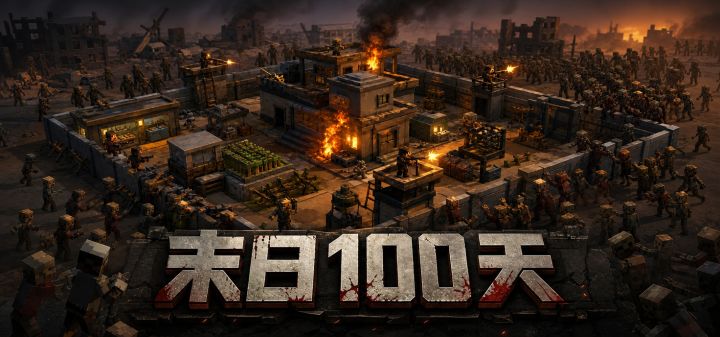
【新游上线】末日100天
大家好,我们是《末日100天》的开发者Paul~
这是一款围绕「生存-经营-轮回」展开的废土策略小游戏:白天分配 3 点行动力经营据点,夜里迎接十天一循环的尸潮,每张地图第 100 天还有一场首领战等着你。五张地图、五大区域机制、可继承的轮回遗产,以及钻石商城里的抽奖机——我们希望每次重开都有一点点新意。
以下是游戏简单介绍:
1.游戏背景
废土历元年,未知病毒席卷全球,城市化为死地。幸存者们退守
@Paul
9 赞
6 回复
03:06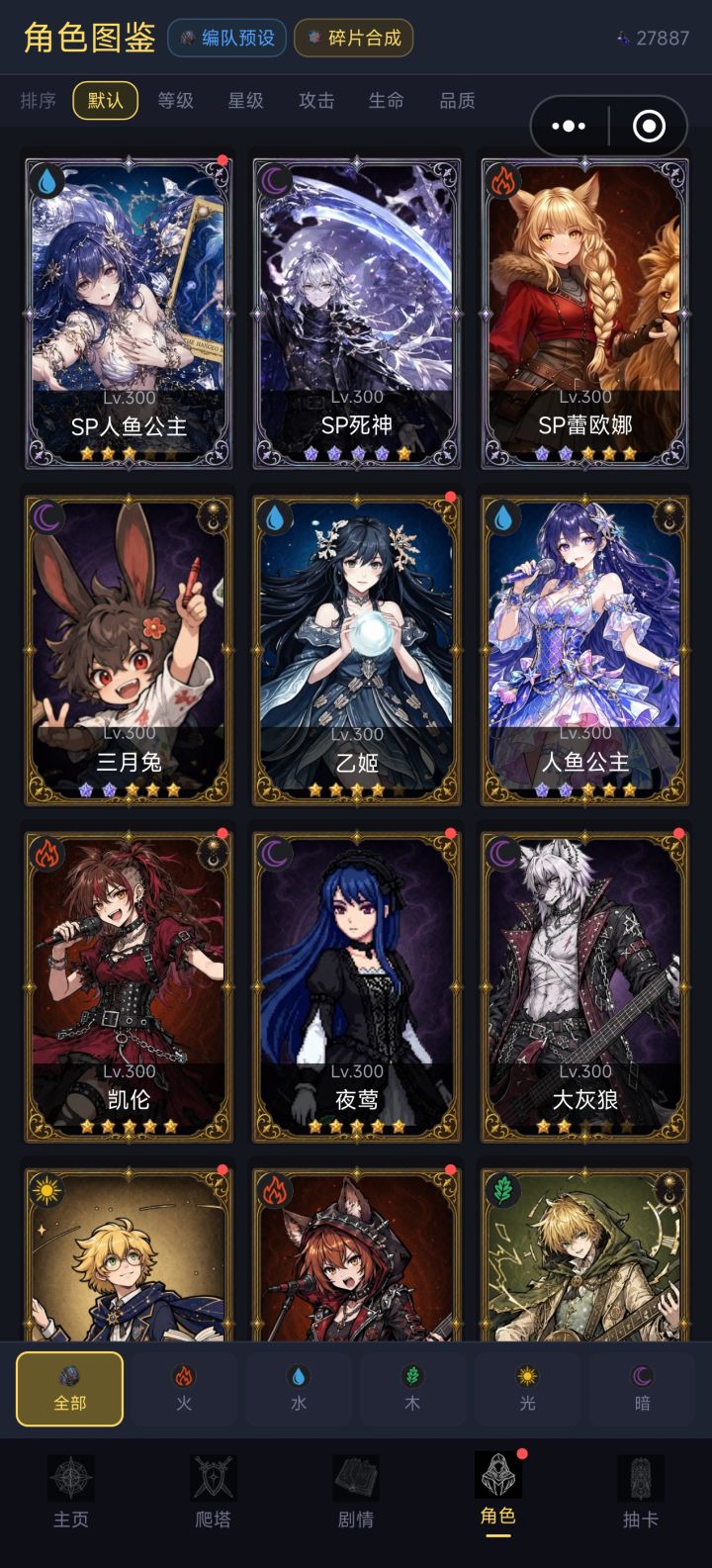
为了不被斩杀,我只能做到这些了
之前一直申请不到计划3,之前说太花哨,后面说体量完成度不足,在我一番小作文下,编辑终于给了我解答,什么原生质感,玩家开局体验啥的。
本来计划2也够用,准备以后再优化了,结果计划2赠送的积分要砍半了,学生党实在消费不起,于是只能再冲一波计划3了
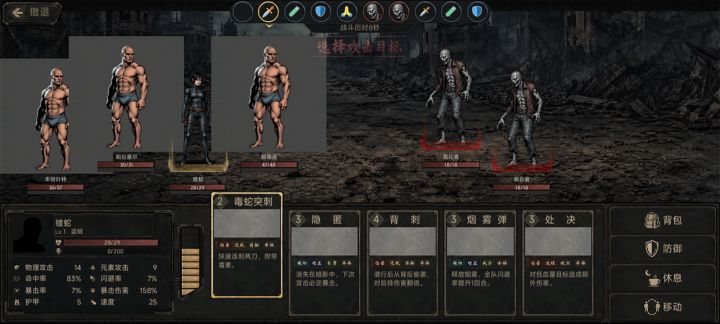
从周六中午到现在一天半时间,优化了一遍角色卡,战斗卡,还有抽卡界面,优化了新手教程,该说不说确实比之前要舒服些。
前半部分为新版,后半部分为旧版。
明天再次
@才不是帅帅
45 赞
9 回复

别再烧积分了!从每次 2000 到每次 50 的血泪经验
适用场景:所有在用 TapTap Code 开发游戏的小白
难度:★☆☆☆☆
背景最近群里总有人"炫耀"一次操作花了几千积分,说实话这不是值得高兴的事——这是在告诉所有人你的开发方式有根本性问题。我也走过这条弯路,所以来说说怎么改。
积分消耗的本质是什么积分 = AI 处理的 token 数量 = 你发给 AI 的内容 + AI 回给你的内容所以烧积分的本质只有两种:
你让 AI 做了大量无效/重
精华
@虎老大王
68 赞
21 回复
02:58
《安全区之外》大更新!
本次更新增加了很多内容。
1.天赋系统:玩家可以抽取一个天赋,每个玩家都发放10个天赋石,可以重新抽取天赋。
2.玩家模型:四个职业有不同的形态。
3.职业被动:战士普攻概率重击并击退周围敌人,概率获得护盾,护盾被打碎或消失会击退周围敌人;刺客普攻概率闪现到敌人面前攻击后再闪现回原来位置,概率原地留下影分身,影分身持续短暂时间后向周围劈砍;弓手:普攻概率2连发,概率3连发,概率穿透敌人,对直线上的
@过客
4 赞
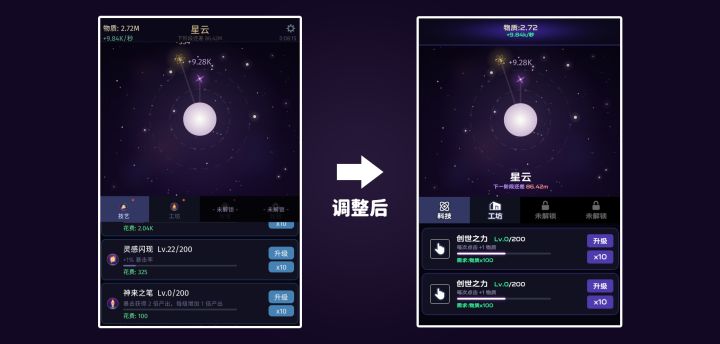
如何提升你游戏中的UI美术水平
一、请为你的游戏挑选一款合适的字体
很多开发者没有注意到其实UI界面中最重要的元素是字体,一款合适的字体能给整个游戏的界面感官带来蜕变。
请看案例
那么如何挑选适合自己的字体呢?
我总结出了一些小经验可供参考:
黑体:通用
宋体:古风、武侠、修仙
楷体:古风、武侠、修仙
圆体:卡通、动漫、Q版
科技:科幻、未来、电子
顺手分享一个免费可商用字体网站:
当然 如果你不知道自己的游戏适合什么风格
精华
@N3
124 赞
44 回复
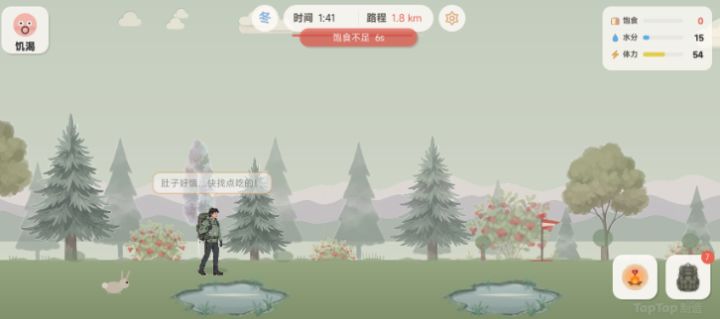
开发心得-界面布局心得
大家好,我正在用 TapTap 制造制作一款2D 治愈林间徒步旅行游戏《徒步荒野》。
我分享一下我的开发心得,希望能有用,下面是一些界面布局的心得。
第一步:定版式、操作
先确定游戏是横版还是竖版、需要哪些操作按钮,敲定整体玩法思路。
我的玩法灵感参考《边境之旅》,主打散步看风景、沿途触发随机事件。
原版是 3D,考虑到自己是新手,选择2D 横版街机式来做,制作更简单、好上手。
第二步:敲定全局美
@大圣
6 赞
3 回复
【UI教程】如何将已有的效果图应用为实际的UI界面
在经过了一些折腾和比较折磨的尝试后,我总算是摸清楚了嗒啦啦怎么把UI效果图转换为实际游戏中的UI组件,今天就给大家带来这部分的经验分享。
tips:1.本篇教程需要各位掌握最基本的ps使用,具体的操作部分我会大致讲解,但仍需各位自行学习ps的基本操作,部分可以由ai代劳的环节我会注明。
2.本篇教程需要在以我前两篇教程作为前置环节,请在阅读这两篇前置教程后再进行本篇教程内容的学习
在按照前
@织匠
11 赞
5 回复

【作品自荐】人生抉择模拟器
从18岁开始,你将扮演白领、富二代、画家、运动员、外卖骑手或独立游戏开发者中的一位,在50多个真实而鲜活的人生事件中做出抉择。
每一张卡牌都是一个人生十字路口——左滑或右滑,你的选择将影响健康、财富、幸福和名声四大属性的走向。属性归零或爆满都会触发意想不到的结局,而每种身份还有独特的命运线等你解锁。
12种人生身份,36种结局,每一局都是一段截然不同的人生旅程。你会活成什么样的人?
人生没有存档,
@^_^
5 赞
1 回复
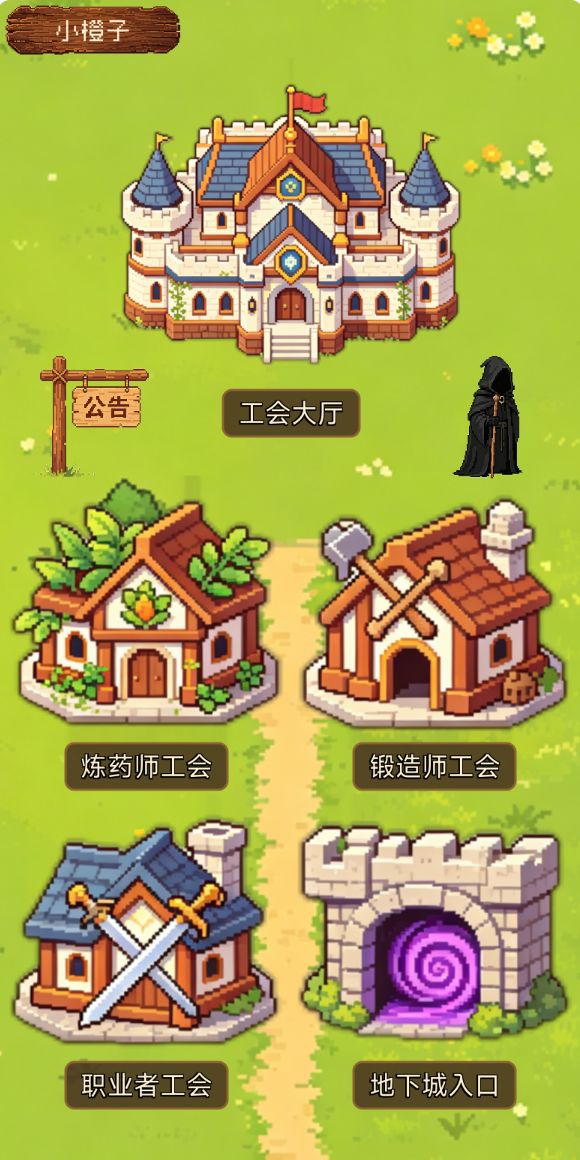
游戏自荐《少女终焉契约》
之前玩放置类型的rpg游戏的时候我就在想,现在游戏的操作有的太过于繁琐了,有没有一款休闲一点的,想上线就上线,离线的时候角色能自动行动的游戏呢?感谢TapTap制造,我按照我的想法开发出了现在这款游戏。
一、故事背景和UI
游戏的故事背景是传统的异世界穿越故事,玩家被女神召唤到异世界,随后组建工会,招募美少女,打怪升级探索世界。所以我选择了更加二次元萌系画风的UI风格,主页为各个主要的功能,点开来
@小橙子
8 赞
3 回复
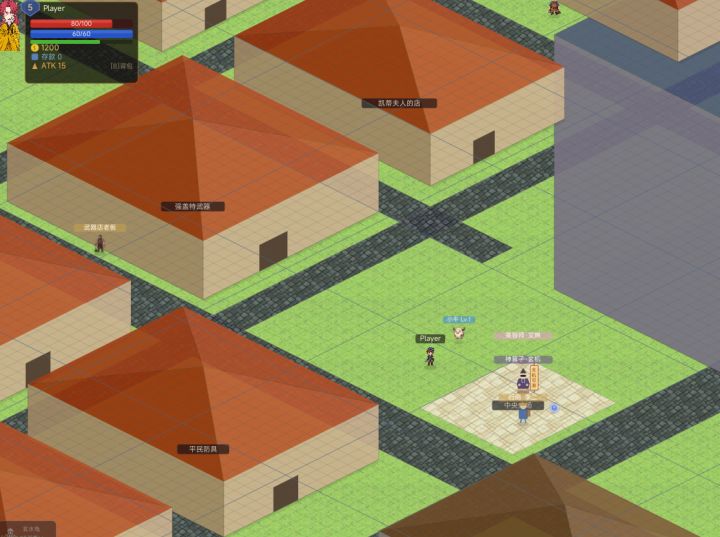
2D 等轴测视角:完整理论
2D 等轴测视角:完整理论
一、视角的本质
什么是等轴测
人站在高处斜着往下看地面,地面上的方格子不再是正方形,而变成了菱形。这就是等轴测的视觉本质。
俯视(正上方看下去): 等轴测(斜上方看下去):
┌──┬──┬──┐ ◇
├──┼──┼──┤ ◇ ◇
├──┼──┼──┤ ◇ ◇ ◇
└──┴──┴──┘ ◇ ◇
◇
正方形网格经过旋转 + 压缩,变成了菱形网格。
为什么是 2:1
@涅槃妙心 创想工作室
6 赞